
Introduction to Industrial Scaffolding in North Yorkshire
North Yorkshire, a region steeped in history and tradition, has also established a reputation for excelling in the area of industrial scaffolding. Industrial scaffolding, an essential component of many construction and renovation projects, is a temporary structure used to support materials and workers during the construction, repair, or maintenance of buildings and other large structures. In North Yorkshire, the industrial scaffolding industry has evolved over the years, mastering the best techniques and adopting innovative technologies to ensure safety and efficiency.
The features of industrial scaffolding in North Yorkshire are renowned for their robustness, adaptability, and high safety standards. They are designed to withstand heavy loads, harsh weather conditions, and the unique complexities that come with industrial projects. The flexibility of these structures allows for their use in a variety of settings, including large-scale construction sites, power plants, and offshore rigs.
Industrial scaffolding in North Yorkshire brings numerous benefits to the table. It ensures a safe and secure platform for workers to carry out their tasks, thereby reducing the risk of accidents. It also enables efficient access to difficult-to-reach areas, optimising productivity and minimising downtime. With specialist providers offering comprehensive services from design to disassembly, they ensure each project is executed with maximum efficiency and minimal disruption.
Historical Overview of Scaffolding in the Industrial Sector
The use of scaffolding in the industrial sector dates back centuries. Evidence of its early use can be found in ancient societies such as Egypt and Greece, where it was used in the construction of monumental structures. The industrial revolution in the 18th century, however, marked a significant transition in the use and design of scaffolding, particularly in the UK. Efficient and safer structures began to take shape, paving the way for the modern scaffolding structures we see today.
In North Yorkshire, the industry has marked significant milestones over the years. The core principles of safety, adaptability, and robustness have been meticulously upheld, leading to advancements in the design and application of industrial scaffolding. History divulges a steady growth and progression of the sector, reflecting the region’s commitment to innovation and quality.
This historical trajectory has resulted in the creation of a scaffolding industry that is able to cater to a vast array of needs, serving everything from small-scale projects to large industrial complexes. The scaffolding designs of today are a testament to the industry’s commitment to growth and adaptation, always aiming to meet the ever-changing needs of their clients.
Key Components of Industrial Scaffolding
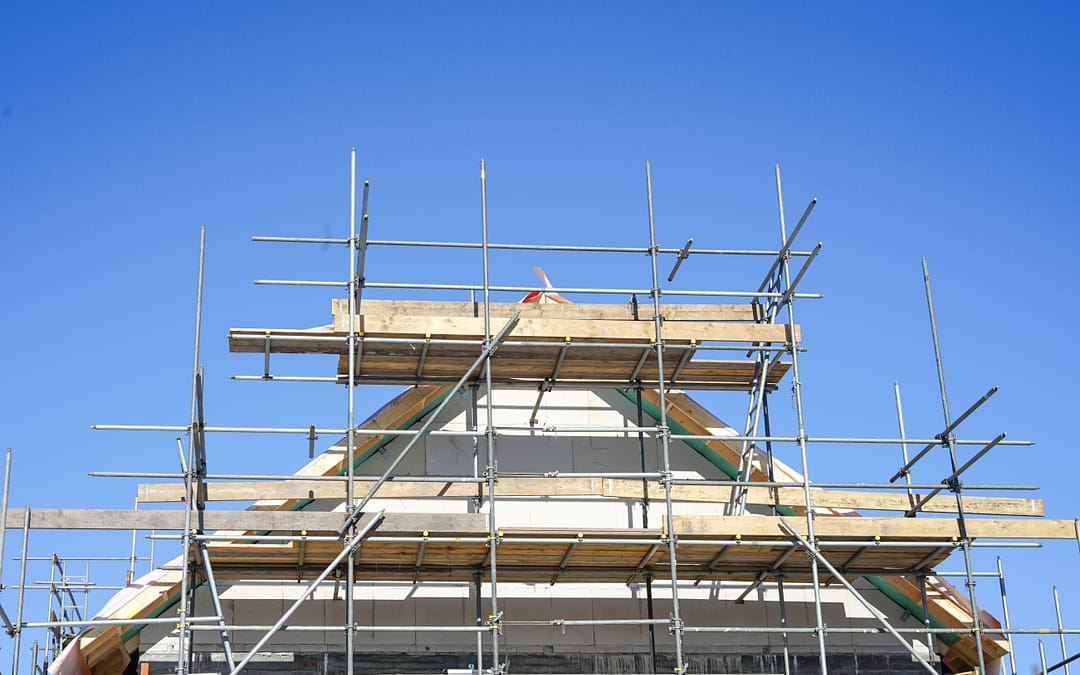
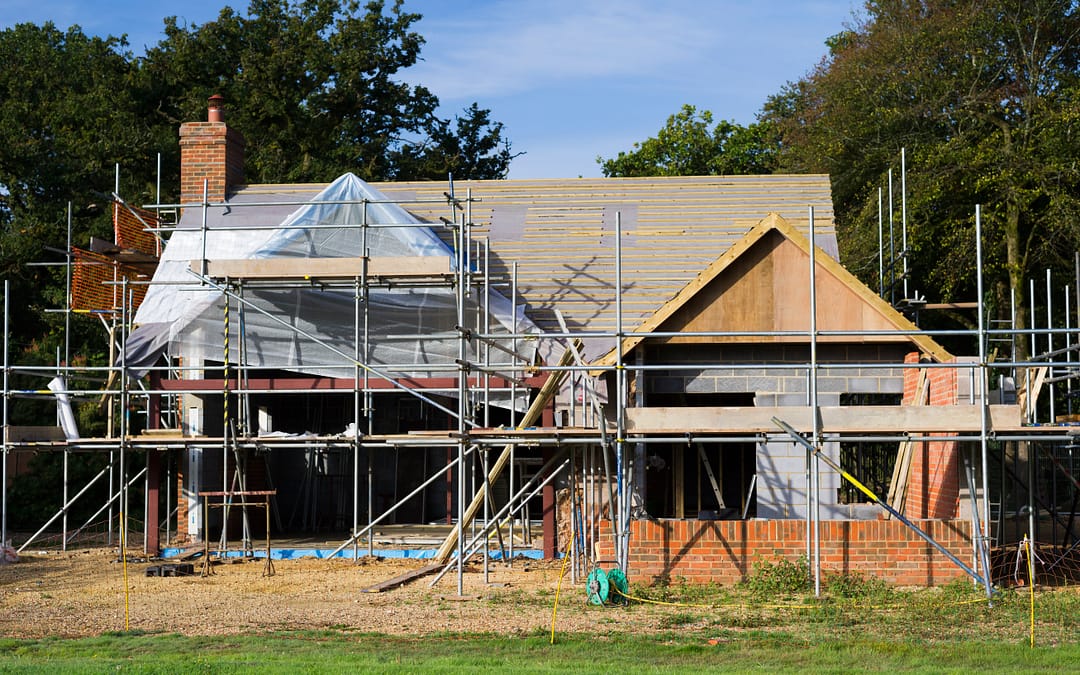
Industrial scaffolding consists of several essential components, each having a distinct role in ensuring the safety and functionality of the structure. The key elements include the base jack or plate, the standard or upright component, the ledger, transoms, and the scaffold boards. The base jack provides the solid ground support, while the standard is the vertical component transferring the load. The ledgers, running horizontally, and transoms, spanning across them, provide support and stability.
Other crucial components include the braces, used to secure the scaffold and provide rigidity, and the couplers, which serve to connect the various structural elements. Industrial scaffolding also often incorporates safety features such as guardrails, toe boards, and safety nets, designed to protect workers from falls or dropped objects.
Each component is designed to offer both durability and adaptability, ensuring that the scaffolding can withstand heavy loads while also being able to be configured to suit the unique requirements of each project. When these components come together, they create a highly stable, secure and reliable structure that forms the backbone of any industrial project.
Understanding the Design Process of Industrial Scaffolding
The design process of industrial scaffolding is a complex and meticulous one, requiring a deep understanding of both the practical needs of a project and the strict safety regulations that govern the industry. Initially, a thorough assessment of the site is carried out, taking into account factors such as ground conditions, the nature of the work, load requirements, and potential risks.
Based on the assessment, a customised design is then developed using specialised software. This design is rigorously tested and refined, ensuring that it meets all relevant safety standards and is fully equipped to handle the demands of the project. The result is a tailored scaffolding solution that optimises efficiency while prioritising the safety of workers.
The final stage of the design process, often overlooked but no less critical, is the provision of detailed plans and instructions for the assembly, use, and disassembly of the scaffolding. This guarantees that the scaffolding is correctly and safely installed and used, avoiding any potential hazards or operational issues.
Health and Safety Regulations for Scaffolding in North Yorkshire
The Health and Safety Executive (HSE) in the UK enforces stringent regulations and guidelines that govern the use of scaffolding, and North Yorkshire is no exception. The regulations cover various aspects such as design, erection, alteration, and dismantling of scaffolding, ensuring that each step of the process is performed safely and professionally.
Training is a crucial part of these regulations, with requirements stipulating that only trained and competent personnel are allowed to carry out scaffolding-related tasks. Regular inspections and maintenance checks are also mandatory, ensuring the ongoing safety and integrity of the structures. Furthermore, protective measures like safety nets, guardrails, and toe boards are required to minimise the risks of falls and falling objects.
Adhering to these regulations not only ensures safety but also contributes to operational efficiency. A safe workplace is a productive workplace, and by minimising unnecessary accidents and disruptions, projects are more likely to be completed on time and within budget.
Trends and Innovations in Industrial Scaffolding
Today, the industrial scaffolding sector is marked by continuous evolution and innovation. One notable trend is the use of lightweight yet durable materials, such as aluminium and high-strength steel, which offer improved load-bearing capacities and corrosion resistance. These materials enable the construction of robust scaffolding structures that are easier to transport and assemble.
Another significant trend is the increased use of 3D design software and virtual reality (VR) in the design process. These technologies allow for highly accurate planning and visualisation, enhancing safety and efficiency. Furthermore, the integration of advanced safety features, such as fall arrest systems and edge protection, is becoming increasingly common, further elevating safety standards.
Innovation in the sector also extends to practices like just-in-time delivery and comprehensive project management services. These value-added services optimise the logistics and execution of scaffolding operations, thereby enhancing overall project efficiency.
Challenges and Solutions in Industrial Scaffolding
The industrial scaffolding sector, despite its advancements, is not without its challenges. These include the need for bespoke solutions for unique project requirements, managing the impacts of weather conditions, and ensuring worker safety in high-risk environments. However, the industry has consistently proven its ability to devise effective solutions to these challenges.
Customised design and engineering are the go-to solutions for meeting unique project needs. By tailoring the design to the specific requirements of a project, scaffolding providers are able to ensure an optimal fit for purpose. Weather challenges are addressed by using durable materials and incorporating weather-resistant features in the design. Regular weather monitoring and planning also play a crucial role in mitigating weather-related risks.
Worker safety, a top priority in the industry, is ensured through rigorous training programs, regular safety audits, and the incorporation of advanced safety features in the scaffolding design. Continuous improvements in these areas help to maintain the industry’s high safety record.
Future Prospects of Industrial Scaffolding in North Yorkshire
With the ongoing advancements in technology and the steady demand for industrial development, the future of the industrial scaffolding industry in North Yorkshire looks promising. The sector is expected to continue its growth trajectory, driven by innovation and a commitment to excellence.
Emerging trends such as modular scaffolding systems and the integration of artificial intelligence (AI) in the design and management process are likely to shape the future of the industry. Modular systems, with their easy assembly and disassembly, offer time and cost efficiencies, while AI can enhance accuracy and safety through predictive analysis and real-time monitoring.
In conclusion, the industrial scaffolding sector in North Yorkshire, with its robust historical foundation, innovative solutions and adherence to stringent safety standards, is well equipped to meet the future head-on. By continuing to evolve and adapt, it is set to remain a vital cog in the region’s industrial landscape.