Introduction to Domestic Scaffolding in Eastfield
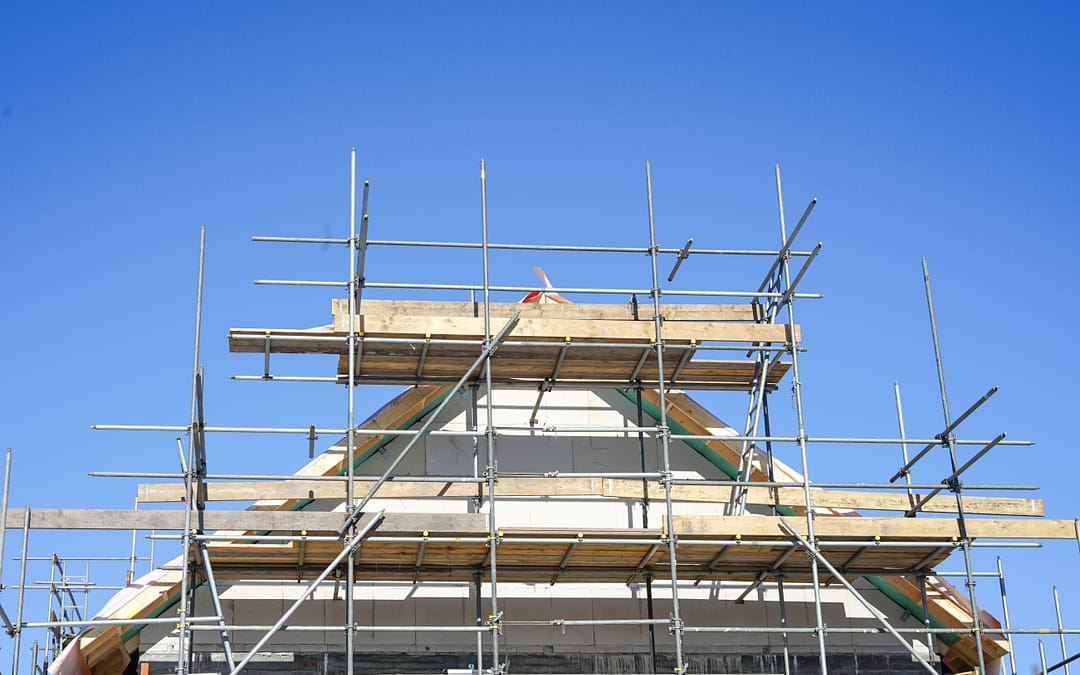
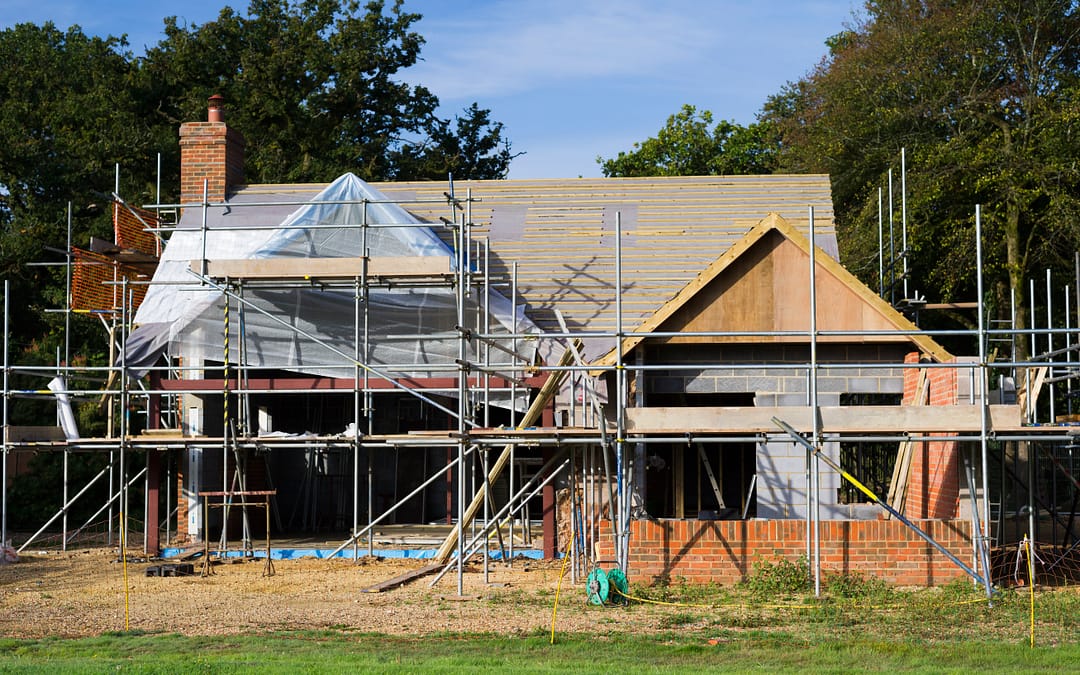
Domestic scaffolding has become a cornerstone in Eastfield, significantly contributing to the community’s escalating architectural landscape. These frameworks, primarily used during the construction, maintenance, and renovation of residential buildings, have transformed the way Eastfield residents approach their home improvement projects. The ubiquity of scaffold structures around Eastfield’s domestic properties is a testament to the residents’ devotion to preserving and enhancing their homes.
Domestic scaffolding in Eastfield is characterized by its versatility, resilience, and customizability. It ensures that both amateurs and professionals working on the buildings have secure access to all areas, irrespective of the structure’s height or complexity. This article aims to delve into the intricate world of domestic scaffolding in Eastfield, providing a comprehensive understanding of its design, key features, material choices, safety measures, and assembly techniques.
Furthermore, it will evaluate the impact of environmental factors on Eastfield’s scaffolding and discuss the future trends that can shape the domestic scaffolding industry. Herein, we aim to illuminate the critical role domestic scaffolding plays in sustaining Eastfield’s architectural charm while promoting safety, efficiency, and innovation.
Understanding the Basics of Scaffolding Design
The design of domestic scaffolding is a complex process that requires a deep understanding of engineering principles, safety regulations, and architectural aesthetics. The primary objective is to create a robust and secure structure that provides adequate access to all areas of a building while ensuring stability and safety for workers.
The design process begins with a thorough assessment of the building’s structure, followed by a selection of appropriate materials, the development of a suitable layout, and the incorporation of necessary safety features. The design must accommodate the building’s size, shape, and architectural features, while also considering the specific needs and requirements of the project at hand.
One of the distinctive features of Eastfield’s domestic scaffolding design is its adaptability. These scaffoldings are specifically designed to be flexible and easy to modify, catering to a wide range of architectural styles and project requirements that are typical to Eastfield. This adaptability not only improves the efficiency of the construction process but also minimizes disruption to the surrounding area.
Key Features of Eastfield’s Domestic Scaffolding
Eastfield’s domestic scaffolding stands out for its durable construction, flexible design, and commitment to safety. These features are specifically designed to provide a secure working platform for any kind of domestic building project.
One of the key features of Eastfield’s domestic scaffolding is its modular design. This allows for easy assembly and disassembly, providing a high degree of flexibility that caters to various project requirements. The modular design also allows for easy adjustment of the scaffold’s height and breadth, ensuring that all areas of the building are easily accessible.
Another notable feature is the use of high-quality materials. Eastfield’s domestic scaffolding is typically made of galvanised steel or aluminium, known for its strength and durability. These materials not only ensure the longevity of the scaffolding but also provide a safe and stable platform for workers.
Exploring the Material Choices in Scaffolding
The choice of materials is a critical aspect in scaffolding construction. It influences the scaffolding’s durability, strength, cost, and safety. In Eastfield, the most common materials used in domestic scaffolding are steel and aluminium, chosen for their proven reliability and robustness.
Steel scaffolding is widely used for its excellent strength and durability. It is resistant to wear and tear, making it ideal for long-term projects. Additionally, steel scaffolding is fire-resistant, providing an added safety measure. On the other hand, aluminium scaffolding is lighter and more flexible, making it easier to assemble and disassemble. It is also resistant to corrosion, ensuring its longevity.
Recently, there has been a growing interest in exploring new materials, such as fibre-reinforced polymers (FRP). These offer a range of benefits, including high strength-to-weight ratio, corrosion resistance, and electrical insulation. However, their use in Eastfield is still limited, primarily due to their higher costs.
Insight into Safety Measures for Domestic Scaffolding
Safety is of paramount importance when it comes to domestic scaffolding. In Eastfield, scaffolding companies follow stringent safety regulations to ensure the protection of workers and the public. These include regular inspection of scaffolding, use of safety harnesses by workers, and the incorporation of guardrails and toe boards in the design.
One of the key safety measures is the proper assembly and disassembly of scaffolding. It requires skilled personnel and adherence to the manufacturer’s guidelines to ensure stability and prevent accidents. Furthermore, heavy loads are carefully distributed to prevent overloading and the potential collapse of the scaffolding.
Moreover, Eastfield’s domestic scaffolding companies are proactive in providing safety training to workers. This includes training on safe usage of equipment, understanding potential hazards, and emergency response. These measures significantly contribute to the safety record of Eastfield’s domestic scaffolding.
Evaluation of Scaffolding Assembly Techniques
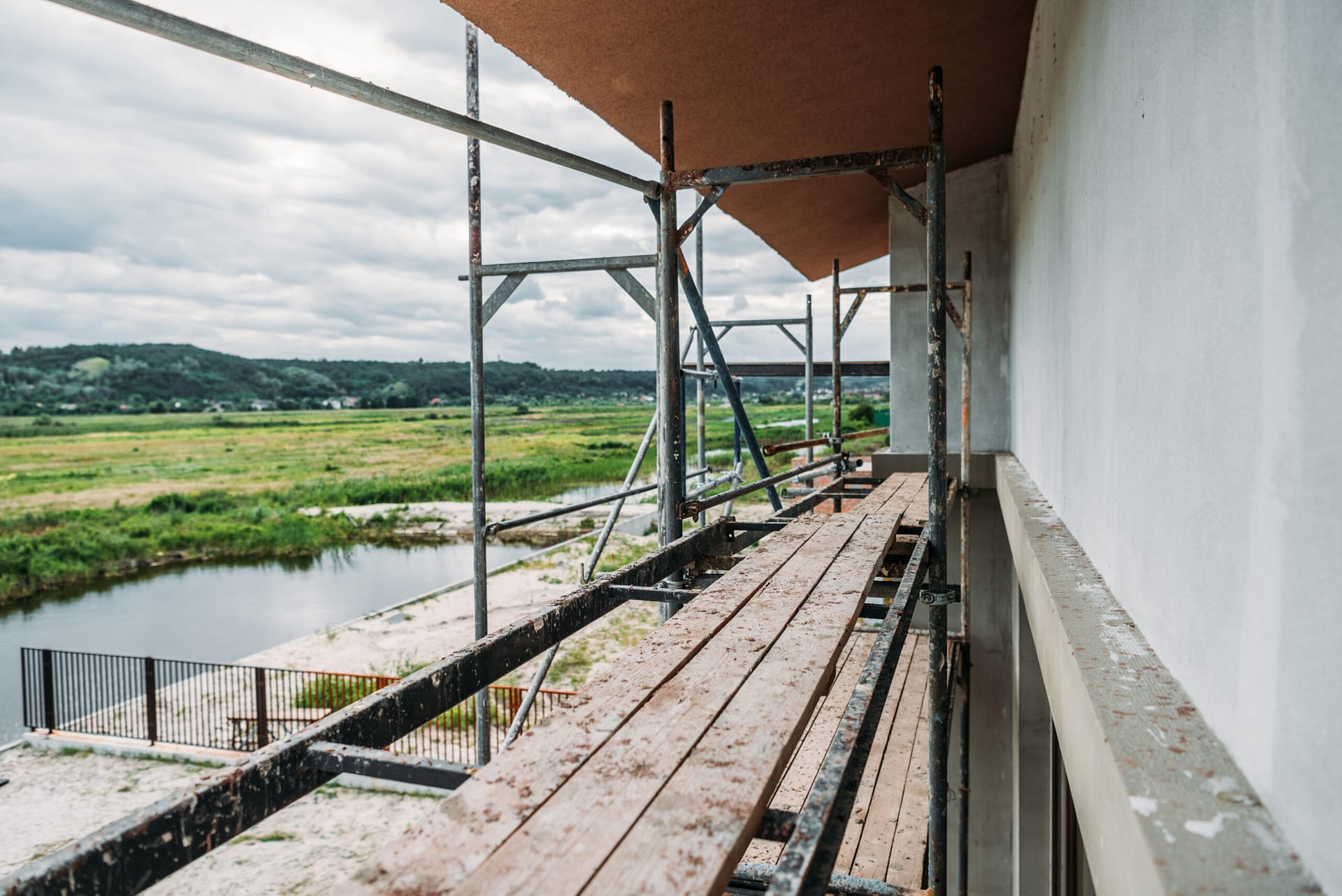
The assembly technique greatly influences the stability and safety of scaffolding. In Eastfield, most companies use the ‘tube and coupler’ method, which involves connecting steel or aluminium tubes with couplers to form a secure structure. This technique allows for a high level of customization, catering to various building designs and project requirements.
Another common technique is ‘system scaffolding’, where pre-engineered modular components are interconnected. This method offers faster assembly and disassembly, coupled with improved safety and stability. However, it is less flexible compared to the ‘tube and coupler’ method.
Regardless of the technique used, proper assembly is crucial to ensure the structural integrity and safety of the scaffolding. This involves careful planning, adherence to the manufacturer’s guidelines, and regular inspection.
Impact of Environmental Factors on Eastfield’s Scaffolding
Environmental factors such as weather conditions and geographical features significantly impact the design, assembly, and use of domestic scaffolding. In Eastfield, where the weather can be quite unpredictable, scaffolding is designed to withstand various weather conditions, including high winds, heavy rain, and snow.
Special measures are taken to prevent corrosion due to exposure to the elements. These may include the use of corrosion-resistant materials like galvanized steel and aluminium, or the application of protective coatings. Additionally, scaffold designs may incorporate features such as wind-resistant screens or temporary roofing to protect against harsh weather.
The geographical features of Eastfield also influence the choice of scaffolding. In areas with uneven terrain, adjustable base jacks are used to ensure the stability of the scaffold. Furthermore, in areas susceptible to high winds, additional bracing and anchoring may be required.
Future Trends in Domestic Scaffolding
The domestic scaffolding industry is not immune to the winds of change, with innovations and advancements shaping its future. One trend gaining traction in Eastfield is the use of eco-friendly materials in scaffolding construction. As environmental sustainability becomes more important, the use of recyclable materials, such as timber or bamboo, is expected to increase.
Another future trend is the integration of technology into scaffolding design and operation. This includes the use of software for design and planning, remote monitoring systems for safety inspections, and even the use of drones for high-level inspections. These technologies can improve the safety, efficiency, and cost-effectiveness of domestic scaffolding.
Finally, there’s a growing focus on training and education in the scaffolding industry. As the complexity of scaffolding systems increases, so does the need for skilled workers. Therefore, companies are investing more in training programs to ensure their workforce is well-equipped to meet the industry’s evolving demands.