Understanding the Basics of Commercial Scaffolding
Commercial scaffolding serves as an integral part of the construction industry, providing temporary structures that facilitate the erection, repair, and maintenance of buildings. These structures are essential for ensuring the safety and efficiency of workers. Commercial scaffolding in Whitby is no exception. The region boasts a rich architectural heritage that requires regular upkeep, thereby demanding high-quality scaffolding solutions.
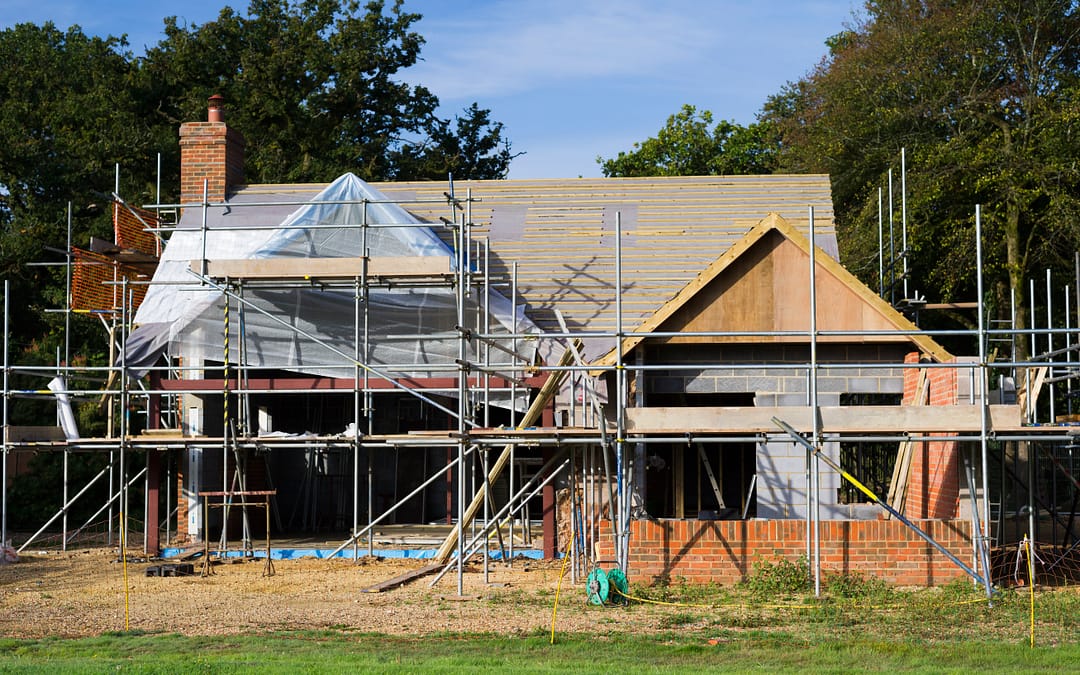
Commercial scaffolding is distinguished from residential scaffolding by its more complex design and larger scale. It is typically used on multi-storey buildings and public works projects where height, reach, and weight-bearing capacity are paramount. Features such as multiple lift levels, walkways, and loading platforms are often incorporated to create a safe and efficient workplace.
Yet the beauty of commercial scaffolding lies in its versatility. It can be customised to suit virtually any building shape, size, or purpose – from a busy shopping centre to an ancient cathedral. This adaptability is a key benefit, enabling contractors to tackle a diverse range of projects with confidence and assurance.
Key Components of Commercial Scaffolding in Whitby
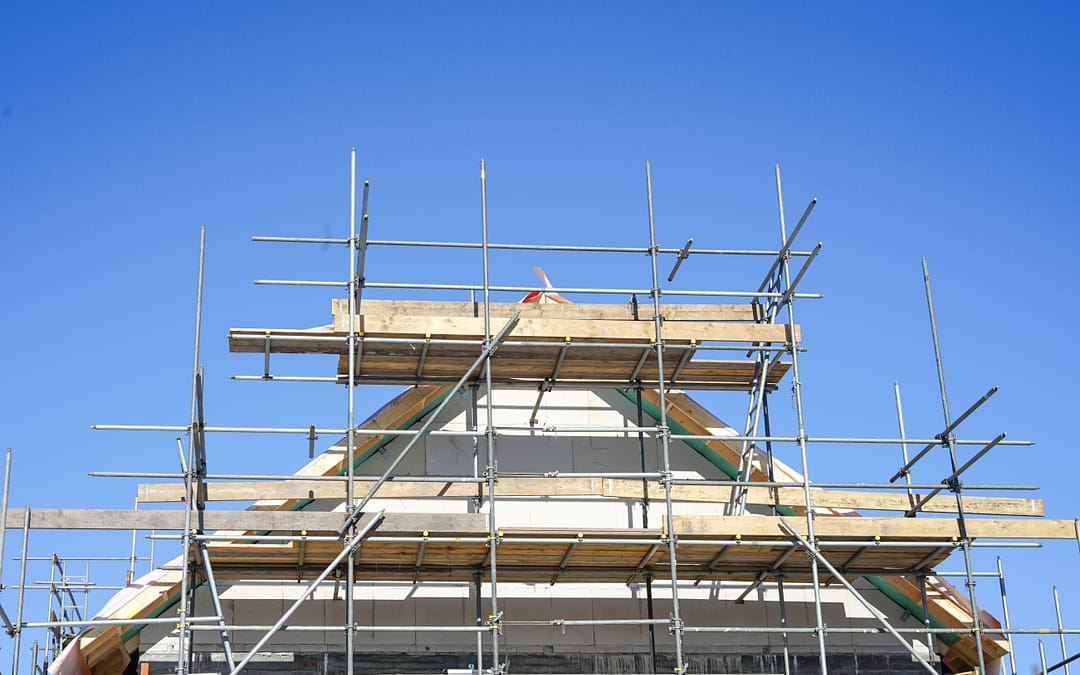
Commercial scaffolding in Whitby is composed of several key components. The primary elements include standards (upright tubes that transfer load to the ground), ledgers (horizontal tubes that connect the standards), and transoms (tubes that sit across the ledgers to support the decking). Together, these components form a robust and stable structure that can withstand significant loads.
Additional elements such as base plates, sole boards, scaffold boards, and guardrails are also integral to the system. Base plates and sole boards distribute the load evenly, preventing instability and subsidence. Scaffold boards provide a secure platform for workers and materials, while guardrails offer crucial protection against falls.
These components work in harmony to create a safe and efficient working environment. Their modular design allows for quick assembly and disassembly, optimising project schedules and reducing downtime. Furthermore, their robust construction ensures durability and longevity, offering an effective and economical solution for a broad spectrum of construction projects.
The Role of Safety in Commercial Scaffolding
Safety is at the heart of commercial scaffolding. From design and installation to use and maintenance, every aspect must meet stringent safety standards to protect workers, the public, and the built environment. Key safety features include secure guardrails, sturdy platforms, and robust structural elements that resist bending, buckling, and collapse.
In addition to these physical safeguards, safety is promoted through training and best practice. Workers are comprehensively trained in scaffold use, hazard identification, and emergency procedures. Meanwhile, regular inspections ensure that safety standards are maintained throughout the project lifespan.
The benefits of these safety measures are tangible. They significantly reduce accident rates, improving worker morale and productivity. They also minimise liability and insurance costs, preserving profitability and reputation. Moreover, they demonstrate a commitment to corporate social responsibility, enhancing relations with clients, regulators, and the wider community.
Navigating the Regulatory Landscape of Scaffolding
Commercial scaffolding in the UK is subject to a complex regulatory landscape. Key legislation includes the Work at Height Regulations 2005, which mandate risk assessments, fall protection measures, and regular scaffold inspections. Other relevant laws include the Construction (Design and Management) Regulations 2015, which outline duties for managing health and safety in construction.
Compliance with these regulations is essential. It ensures the safety and welfare of workers, protects the public, and reduces the risk of legal action. Furthermore, it demonstrates a commitment to best practice, which can enhance a contractor’s reputation and marketability.
Navigating this regulatory landscape can be challenging, but the rewards are significant. By investing in compliance, contractors can gain a competitive edge, securing more contracts and cultivating stronger business relationships. Moreover, they can foster a culture of safety and professionalism, enhancing their performance and sustainability.
Construction and Installation of Commercial Scaffolds
The construction and installation of commercial scaffolding is a meticulous process. It begins with a thorough site survey and risk assessment, followed by detailed planning and design. The scaffold is then erected using a systematic method, with each component carefully placed and secured to ensure stability and safety.
The quality of materials and workmanship is paramount. Only certified, high-grade materials should be used, and all work should be performed by competent, trained personnel. Regular inspections and adjustments are also crucial to maintain structural integrity and compliance with safety regulations.
The benefits of professional construction and installation are substantial. They ensure the safety and efficiency of the scaffold, reducing downtime and accident rates. They also enhance the durability and lifespan of the structure, offering a better return on investment. Moreover, they promote compliance with legal requirements, safeguarding the contractor against penalties and litigation.
The Art of Scaffolding Maintenance and Inspections
Maintenance and inspections are crucial to the longevity and safety of commercial scaffolding. Regular checks can identify and resolve issues such as loose fittings, corrosion, and wear and tear. Meanwhile, thorough cleaning can prevent the buildup of dirt and debris, which can compromise safety and performance.
Inspections should be performed by a competent person at least every seven days, or after any event that could affect scaffold safety (e.g., adverse weather, alteration, or heavy load). A record should be kept of each inspection to track issues and demonstrate compliance with safety regulations.
Effective maintenance and inspections offer valuable benefits. They maximise the lifespan and reliability of the scaffold, reducing replacement costs and downtime. They also enhance safety, protecting workers and the public. Furthermore, they promote compliance with legal requirements, safeguarding the contractor’s reputation and profitability.
Exploring Future Trends in Commercial Scaffolding
The commercial scaffolding industry is evolving rapidly, driven by advances in technology and changing market demands. Future trends include the rise of modular scaffolding systems, which offer enhanced flexibility and efficiency. Technological innovations such as 3D modelling and augmented reality are also set to transform scaffold design and installation.
Sustainable materials and practices are becoming increasingly important, reflecting growing environmental awareness. More contractors are opting for reusable, recyclable materials and adopting practices that minimise waste and pollution. This ‘green’ approach can offer cost savings, meet regulatory requirements, and enhance a contractor’s reputation.
By embracing these trends, contractors can stay ahead of the curve, capitalise on new opportunities, and drive industry progress. The potential benefits are significant, ranging from improved efficiency and cost-effectiveness to enhanced sustainability and marketability.
Case Studies of Scaffolding Applications in Whitby
The versatility of commercial scaffolding is well demonstrated by its applications in Whitby. One notable project involved the restoration of Whitby Abbey, a historic ruin overlooking the North Sea. The complex structure and delicate condition of the abbey required a customised scaffold solution, which enabled safe and efficient work while protecting the ancient building.
Another interesting case involved the construction of a new shopping centre in the heart of the town. The large scale and high traffic location of the project demanded a robust, efficient scaffold system. With its modular design and secure platforms, commercial scaffolding proved ideal for the job, facilitating swift and safe construction.
These examples highlight the many benefits of commercial scaffolding in Whitby. From facilitating complex restoration work to speeding up new construction, scaffolding proves its worth time and again. With its adaptability, robustness, and safety features, it remains an invaluable tool for the local construction industry.