An Introduction to Domestic Scaffolding
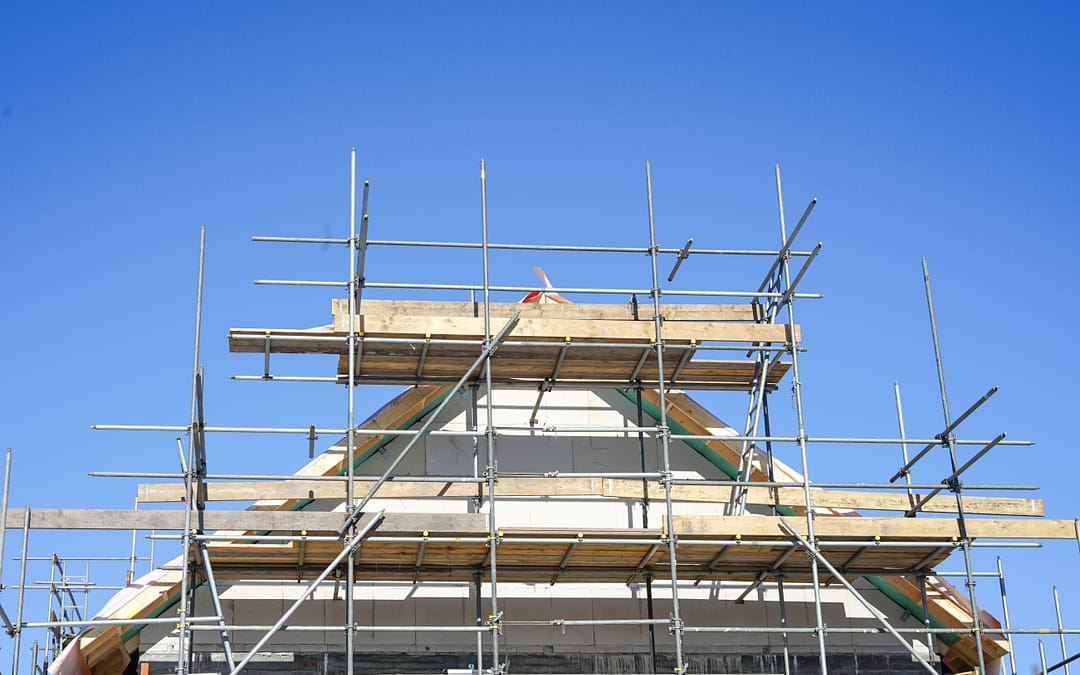
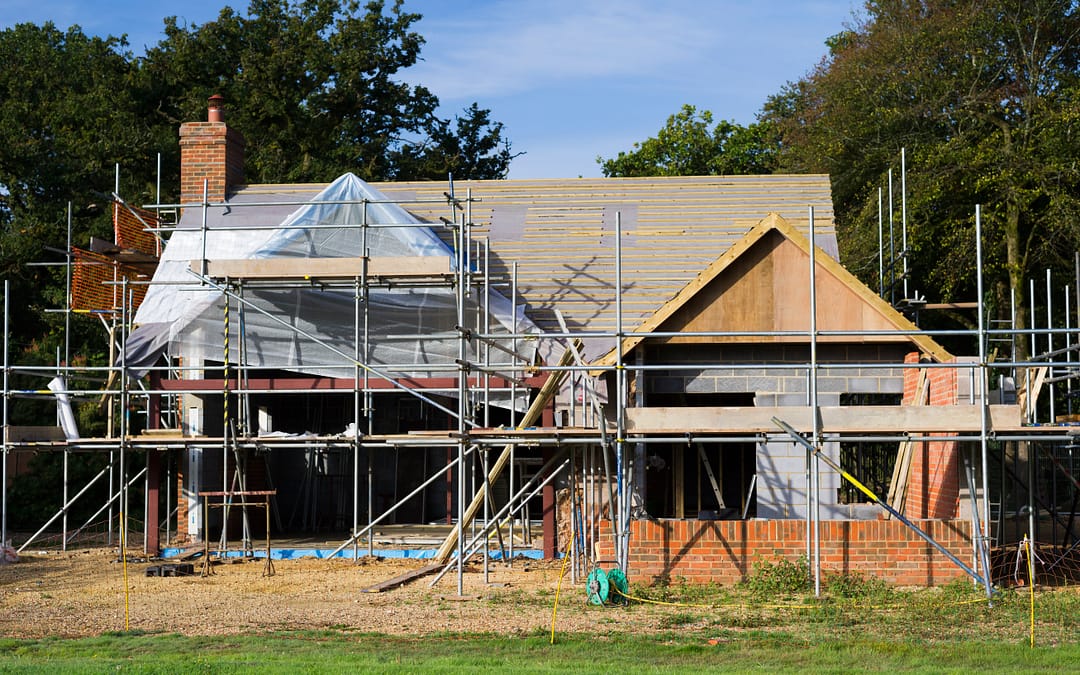
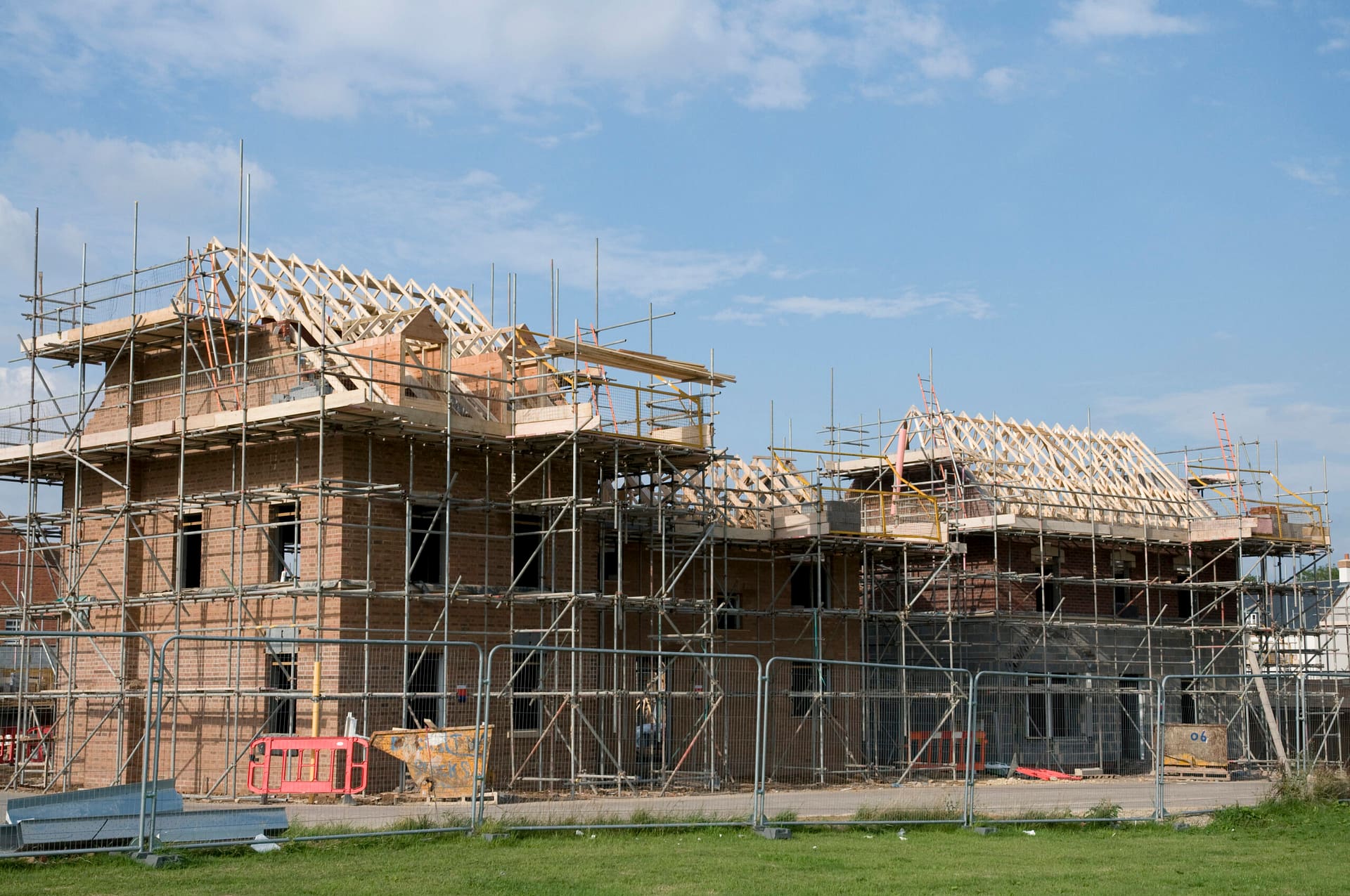
Domestic scaffolding in North Yorkshire has become an integral part of home maintenance, renovation, and construction projects. Unlike commercial scaffolding, which is designed for large-scale constructions, domestic scaffolding is tailored to fit the requirements of residential properties. This setup not only facilitates easy access to various parts of a house but also ensures that work can be done safely and more efficiently. North Yorkshire, with its blend of historic and modern architecture, presents unique challenges and opportunities in the use of scaffolding at home.
The design and implementation of scaffolding systems are often customized to accommodate the specific dimensions and features of a home, such as windows, balconies, and uneven ground. This customization ensures that domestic scaffolding is both functional and minimally invasive to the property’s aesthetics. In North Yorkshire, homeowners are increasingly recognising the versatility of scaffolding solutions, whether for painting, roofing, or external renovations.
Another significant aspect of domestic scaffolding is its ability to be erected and dismantled relatively quickly compared to its commercial counterparts. This attribute is particularly beneficial for residential projects which typically have shorter time frames and less complex logistical requirements. This speed and ease translate into lower labour costs and minimal disruption to household routines, making scaffolding an attractive option for many homeowners in North Yorkshire.
Key Benefits of Scaffolding at Home
The foremost advantage of employing scaffolding in domestic settings is the enhanced safety it provides. Scaffolding offers a stable platform for workers, reducing the risk of falls and injuries associated with the use of ladders. For houses in North Yorkshire, especially older buildings with complex structures, scaffolding provides crucial support structures that help in safely conducting repair or renovation work at heights.
Beyond safety, scaffolding increases the efficiency of building works. Workers have better access to the areas under construction, allowing them to carry more tools and materials at once and to work more comfortably. This not only speeds up the project timeline but also improves the quality of the workmanship, as workers are less rushed and can focus better when securely stationed on a scaffold.
Finally, scaffolding can also help protect the property during renovations. It can be equipped with sheeting to shield the building from weather elements or contain debris, preventing any potential damage to the property or surrounding areas. This is particularly pertinent in North Yorkshire, where weather conditions can be unpredictable and sometimes harsh.
Enhancing Safety with Proper Setup
Ensuring the correct setup of domestic scaffolding is critical to maximising safety. This involves adhering to strict guidelines and regulations that govern scaffolding construction, including weight capacities, tie-offs, and platform dimensions. In North Yorkshire, scaffolding services must comply with UK health and safety standards, which are designed to protect both the workers and the homeowners.
Professional installation is key to ensuring that the scaffold remains stable and secure throughout its use. This includes conducting ground assessments to handle issues with uneven terrain, a common feature in rural and suburban areas of North Yorkshire. Proper base setup and regular inspections also play crucial roles in maintaining the integrity of the scaffold over time.
Moreover, training for those using the scaffolding is essential. Even when a scaffold is perfectly erected, improper use can lead to accidents. Many reputable scaffolding firms in North Yorkshire offer brief training sessions as part of their services, ensuring that all individuals involved understand how to use the structures safely and effectively.
Exploring Variety in Scaffolding Types
The type of scaffolding required can vary significantly depending on the specifics of the project and the structure of the home. In North Yorkshire, the most commonly used types are supported scaffolds, which are built from the ground up and are particularly useful for single or multi-storey residential buildings. These are ideal for tasks like painting or window replacements.
For projects that require mobility, such as those involving extensive exterior work across different facades, mobile scaffolds may be employed. These structures are mounted on wheels, allowing them to be moved easily around the property. This flexibility is advantageous for extensive North Yorkshire homes with significant outdoor areas.
Suspended scaffolds, although less common in domestic settings, are sometimes necessary for high-rise residential buildings or houses in tight spaces where ground erection is not possible. This type of scaffolding hangs from the roof and can be adjusted vertically, which is particularly useful for gutter work or facade renovations.
Cost-Benefit Analysis for Homeowners
Investing in domestic scaffolding can be initially viewed as an added expense. However, when taking into account the safety, efficiency, and potential to reduce overall project time, the benefits often outweigh the costs. For many homeowners in North Yorkshire, the use of scaffolding has proven to be cost-effective, especially in cases where it prevents expensive damage or injuries.
The cost itself can vary based on the type of scaffold, the duration of the rental, and the complexity of the installation. Many North Yorkshire scaffolding companies offer competitive pricing and flexible rental periods, making it accessible for a wide range of budgets and project sizes.
In addition, some homeowners find that scaffolding can increase the value of their property by enabling higher-quality maintenance and renovations. This aspect is particularly appealing to those looking to sell their homes in North Yorkshire’s competitive real estate market, as it can make a property stand out to potential buyers.
Case Studies from North Yorkshire
One notable case involved a historical property in the Harrogate area, where scaffolding was crucial in carrying out extensive restoration work without damaging the original structure. The scaffolding provided a secure platform for specialists to meticulously restore weathered stone and brickwork, enhancing the property’s aesthetic appeal and structural integrity.
Another case study from York demonstrates how a homeowner utilised scaffolding for a simple yet effective loft conversion. The scaffold allowed builders to safely and quickly navigate the heights of the property, significantly reducing the disruption typically associated with such renovations.
In Scarborough, scaffolding was deployed for a more routine task of gutter cleaning and roof repairs ahead of the winter months. The scaffold ensured that the work was completed quickly and safely, preventing potential water damage that could have led to more significant issues down the line.
Choosing the Right Scaffolding Service
Selecting the right scaffolding service in North Yorkshire requires careful consideration. It is essential to choose a provider that not only offers competitive pricing but also adheres to the highest safety standards. Look for companies that are accredited by relevant authorities and that have positive reviews from past clients.
Experience in handling residential projects is also crucial. A company experienced in domestic scaffolding will be better equipped to advise on the best type of scaffold for your specific needs and will be familiar with the challenges posed by residential properties in North Yorkshire.
Additionally, good customer service and clear communication are important factors. A reputable scaffolding company will ensure that you are fully informed throughout the process, from initial setup to dismantling, making the entire experience as smooth and hassle-free as possible.
Future Trends in Scaffolding Technology
Looking ahead, the scaffolding industry is set to embrace various technological advancements that could revolutionize how scaffolding is used in domestic settings. Innovations such as lightweight yet strong materials, modular designs, and even automated setup processes are on the horizon. These advancements promise to make scaffolding even safer, more efficient, and less intrusive.
In North Yorkshire, the integration of smart technologies is also anticipated. Features like real-time load monitoring and environmental resistance capabilities could enhance the safety and durability of scaffolding. This would be particularly beneficial in areas prone to harsh weather conditions.
Moreover, with the increasing focus on sustainability, the development of eco-friendly scaffolding materials is likely. This shift would not only help reduce the environmental impact but also appeal to environmentally conscious homeowners in North Yorkshire seeking greener alternatives in their renovation and construction projects.