Introduction to Scaffolding in North Yorkshire
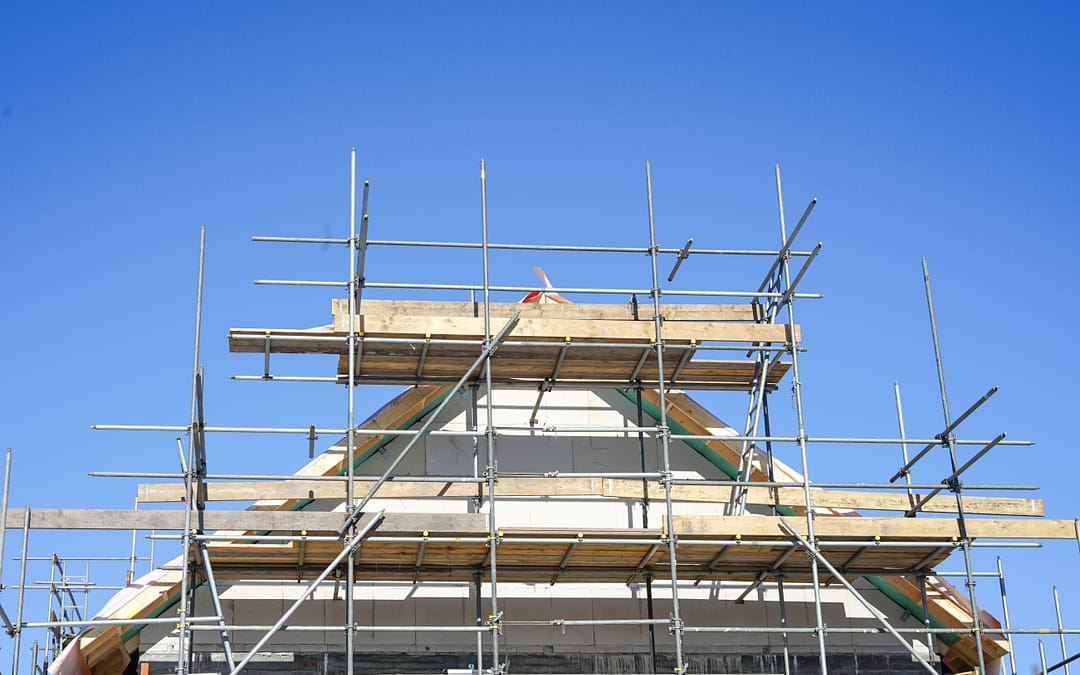
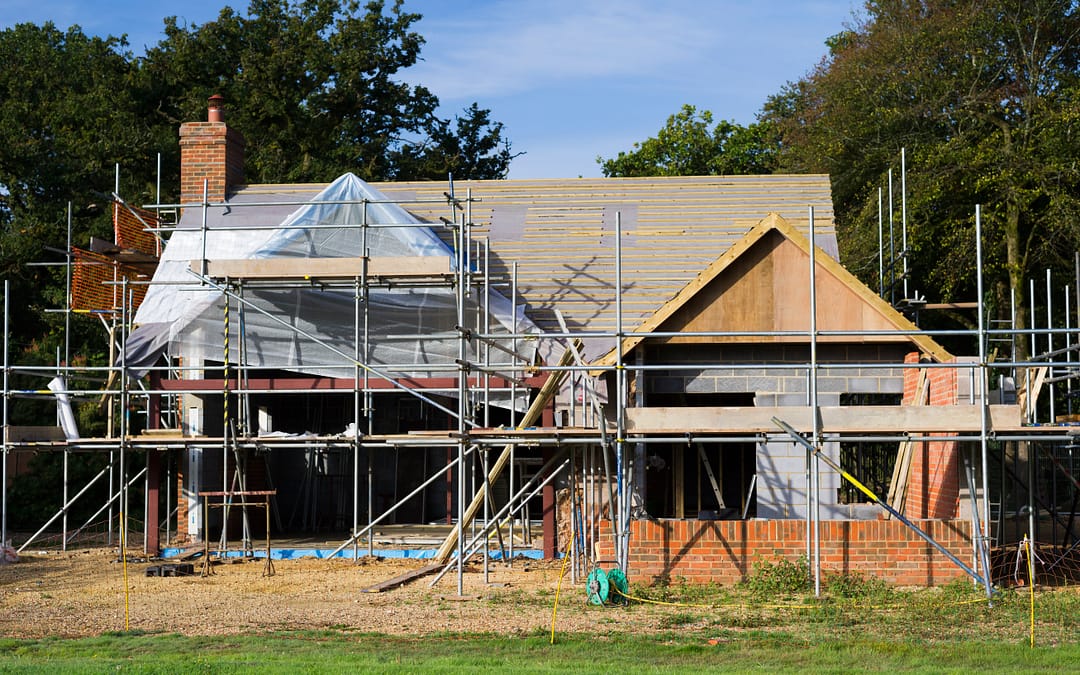
Scaffolding is an essential component of construction and maintenance projects across North Yorkshire, providing temporary structures used to support people and material in the construction or repair of buildings and other large structures. In a region with a diverse range of architectural styles, from historic buildings in York to modern commercial developments in Harrogate, scaffolding solutions must be adaptable and robust. The safety and efficiency of building projects hinge significantly on the quality and appropriateness of the scaffolding used.
In North Yorkshire, scaffolding services cater to a variety of projects, including commercial, residential, and industrial. The rugged landscapes and historic sites present unique challenges that demand expert scaffolding solutions to ensure that construction and restoration work can proceed safely and effectively. The importance of choosing the correct scaffolding type and provider cannot be overstated, as it directly impacts project timelines, budgets, and safety outcomes.
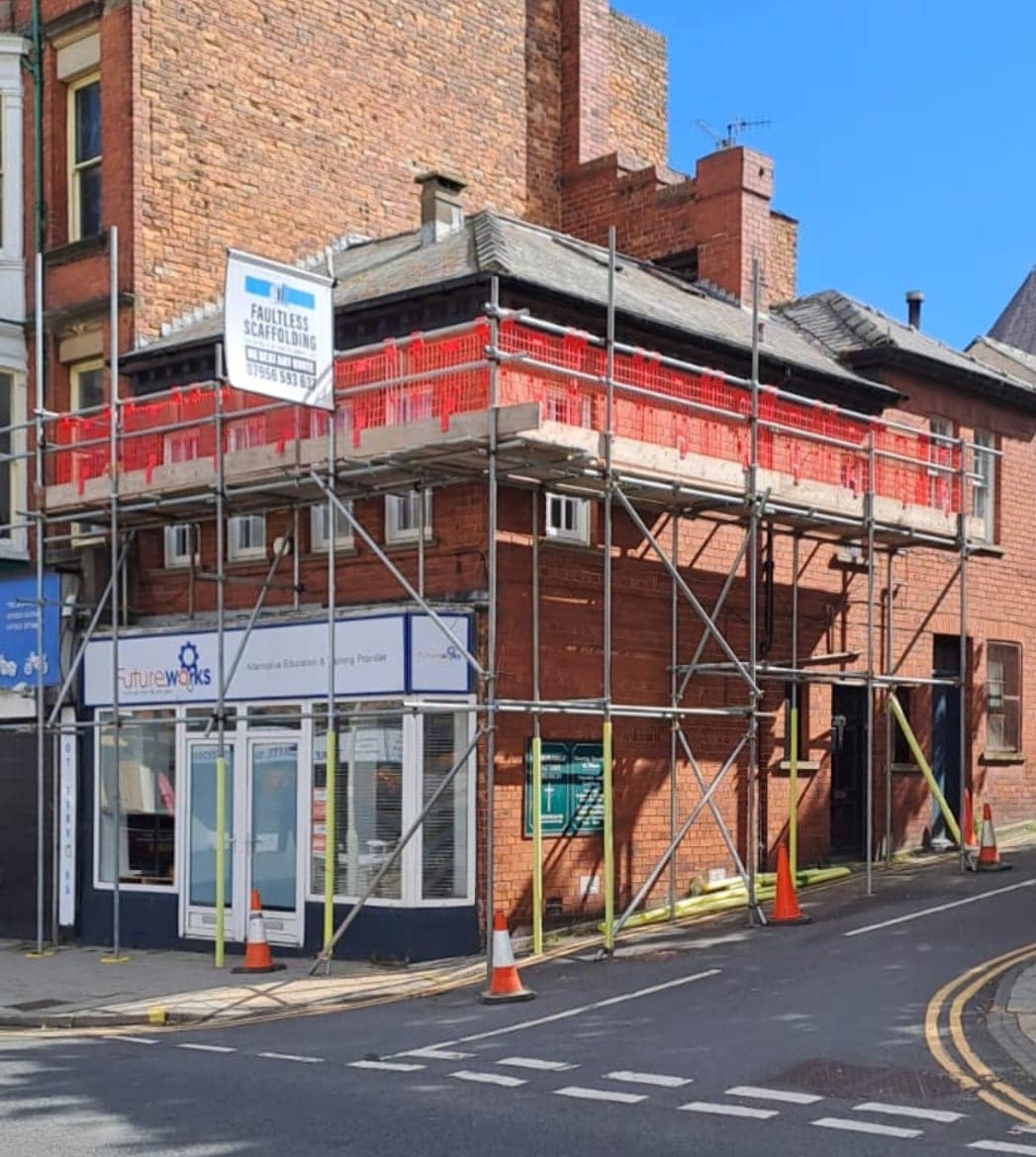
Commercial scaffolding services in North Yorkshire operate under strict regulations to ensure safety and efficiency. Providers are equipped with extensive knowledge and tools to adapt to the varied needs of construction projects in the area, offering services from installation to dismantling, as well as ongoing support and maintenance throughout the building process.
Key Types of Commercial Scaffolding Available
The commercial scaffolding landscape in North Yorkshire includes several key types of scaffolding systems, each suited to different types of construction and maintenance activities. Tube and fitting scaffolding is highly versatile and can be assembled to fit any shape or size, making it ideal for irregular structures and large-scale commercial projects. On the other hand, system scaffolding, including ringlock and cuplock systems, offers quicker assembly and dismantling times, which is beneficial for projects with tight deadlines.
Mobile scaffolding provides a portable solution that is perfect for projects requiring frequent movement around the site, such as painting or minor repairs. Suspended scaffolding, while less commonly used in rural areas, is essential for high-rise buildings in urban parts of North Yorkshire, providing safe access to high elevations. Each type of scaffolding brings its own set of features and benefits, and understanding these is crucial for selecting the right scaffolding for a project.
Furthermore, tailored scaffolding solutions are available for highly specialized projects such as those involving historic preservation, where non-invasive and protective scaffolding is required. North Yorkshire’s scaffolding providers are adept at designing bespoke structures that meet the specific requirements of these challenging environments, ensuring both safety and historical integrity are maintained.
Assessing Project Needs for Scaffolding
Before selecting a scaffolding solution, it is crucial to assess the specific needs of the project. This assessment should include consideration of the project’s scope, duration, and location. For instance, in the historic city of York, scaffolding must not only be functional but also sensitive to the preservation of the city’s ancient architecture. The weight, flexibility, and footprint of the scaffolding are all considerations that need to be balanced against the project’s requirements.
Safety is another critical factor in the assessment process. The chosen scaffolding must comply with all safety regulations and be capable of supporting the loads it will bear. This includes not only the weight of the workers and their tools but also potentially heavy building materials. In addition, environmental factors such as wind, weather, and ground stability must be considered, especially in North Yorkshire’s more exposed and rural locations.
Finally, logistical aspects such as delivery, assembly, dismantling, and storage of scaffolding materials must be planned in advance. Efficient logistics can significantly reduce project delays and costs. Scaffolding companies in North Yorkshire typically offer comprehensive services that include professional advice on these aspects, ensuring that the scaffolding system supports the project’s overall efficiency and safety.
Regulations Governing Scaffolding in the UK
In the United Kingdom, scaffolding operations are strictly regulated to ensure safety and compliance with industry standards. The Health and Safety Executive (HSE) provides specific guidelines and regulations that must be followed when erecting, altering, and dismantling scaffolding. These regulations are designed to protect not only the workers who use the scaffolding but also the general public who may be near the construction site.
For instance, the Work at Height Regulations (2005) are particularly relevant to scaffolding. These regulations mandate that all work at height, including work on scaffolds, must be planned thoroughly, supervised appropriately, and carried out in a manner that is as safe as practically possible. These safeguards are critical in preventing falls and other accidents that could result in serious injuries or fatalities.
Additionally, scaffolding must be inspected regularly, at least every seven days, and following any event that could have affected its structural integrity, such as severe weather. Detailed records of these inspections must be maintained as part of the project’s safety documentation. North Yorkshire’s scaffolding providers are well-versed in these regulations and ensure that all legal requirements are met, providing peace of mind for their clients.
Choosing the Right Scaffolding Partner
Selecting the right scaffolding partner is crucial for the success of any commercial construction or maintenance project. A reliable scaffolding company should not only provide sturdy, safe structures but also deliver exceptional customer service, addressing any concerns promptly and effectively. In North Yorkshire, businesses should look for scaffolding providers with solid industry reputations, proven safety records, and a portfolio of successful local projects.
Experience in the specific type of project at hand is also vital. For instance, a provider experienced in handling large-scale commercial projects may be better suited for constructing a new shopping centre, while a company specialising in historical restorations would be ideal for work on North Yorkshire’s numerous heritage sites. Moreover, the ideal partner should offer comprehensive services that include planning, design, erection, maintenance, and dismantling, thereby ensuring a seamless scaffolding experience.
Finally, transparency in pricing and services offered is essential. A trustworthy scaffolding partner will provide detailed quotes and contracts, clearly outlining the scope of work, timelines, and the responsibilities of each party. This clarity helps in avoiding any misunderstandings and ensures that the project proceeds smoothly, adhering to both budget and schedule.
Innovations in Scaffolding Technology
The scaffolding industry is continually evolving, with new technologies and methods enhancing safety and efficiency. In North Yorkshire, scaffolding companies are adopting these innovations to stay at the forefront of the industry. For example, lightweight materials such as aluminium and carbon fibre are becoming more popular, offering easier handling and assembly without compromising strength or safety.
Moreover, digital tools are transforming the way scaffolding services are planned and executed. Virtual reality (VR) and 3D modelling are now used in the initial stages of scaffolding design, allowing clients to visualize the scaffolding on their projects before physical work begins. This not only improves client satisfaction but also enhances planning accuracy, reducing the risk of errors during construction.
Another significant innovation is the integration of smart technology into scaffolding systems. Sensors can now be installed to monitor structural stability, weather conditions, and even the presence of workers on the scaffolding. These sensors provide real-time data that can be used to improve safety measures and operational efficiency, ultimately leading to safer and more cost-effective projects.
Case Studies: Successful Local Projects
North Yorkshire has seen numerous successful scaffolding projects, each highlighting the expertise and adaptability of local scaffolding companies. One notable example is the restoration of the York Minster, where specialised scaffolding was intricately designed to facilitate the delicate restoration work without damaging the historic structure. This project demonstrated the local providers’ capability to handle complex, high-stakes assignments with precision and care.
Another example is the construction of a new commercial centre in Harrogate, where advanced system scaffolding enabled quick assembly and disassembly, keeping the project on schedule and within budget. The use of lightweight, yet strong materials ensured worker safety and compliance with all regulatory standards, showcasing the role of innovation in commercial scaffolding.
These case studies not only reflect the technical proficiency and reliability of North Yorkshire’s scaffolding services but also their commitment to upholding the highest safety and quality standards. The successful completion of such projects contributes significantly to the region’s commercial development and architectural preservation.
Future Trends in Scaffolding Solutions
Looking ahead, the future of scaffolding in North Yorkshire appears to be geared towards even greater technological integration. The increasing use of automation and robotics in scaffolding installation is anticipated, which could further enhance safety and efficiency. These technologies have the potential to reduce human error and speed up construction times, making scaffolding operations smoother and more cost-effective.
Sustainability will also play a crucial role in the evolution of scaffolding. As environmental concerns become more prominent, there is a growing demand for eco-friendly materials and practices in the construction industry. Scaffolding companies in North Yorkshire are likely to adopt more sustainable practices, such as using recycled materials for scaffolding construction and implementing energy-efficient processes during manufacturing and transportation.
Finally, as the construction industry continues to evolve, there will be a continuous demand for scaffolding solutions that are not only safe and efficient but also adaptive to complex architectural designs and construction methodologies. North Yorkshire’s scaffolding providers will need to keep pace with these trends, investing in research and development to offer innovative solutions that meet the changing needs of the construction industry.