In the picturesque coastal town of Scarborough, the roofing market has seen a dynamic evolution, driven by both technological advancements and the need to cater to diverse architectural styles. From traditional cottages to modern commercial buildings, the demand for high-quality roofing solutions is significant. The region’s weather conditions, featuring brisk sea winds and frequent rainfall, necessitate robust roofing systems that offer both durability and aesthetic appeal. This has led to a competitive marketplace where innovation and efficiency are paramount.
The local economy benefits from a mix of residential and commercial properties, each requiring specific roofing needs. Scarborough’s roofing sector is supported by a range of skilled contractors and suppliers who provide a wide spectrum of materials and services, tailored to the unique challenges of coastal weather. As sustainability becomes a key concern, the market is also seeing a shift towards eco-friendly materials and practices, aligning with global environmental trends.
Understanding the specifics of Scarborough’s roofing market is essential for property owners and developers who aim to make informed decisions. With an emphasis on quality and longevity, the focus is on solutions that offer protection against the elements while enhancing the property’s value. As such, the roofing industry in Scarborough not only reflects the local architectural diversity but also the evolving preferences and priorities of its population.
Understanding Different Roofing Materials
The choice of roofing materials in Scarborough is influenced by both functionality and aesthetics. Traditional materials such as slate and clay tiles are popular for their durability and ability to withstand the harsh maritime climate. Slate, in particular, is favoured for its natural appearance, long lifespan, and fire resistance, making it ideal for historic and high-value commercial properties. On the other hand, clay tiles offer a classic look and excellent weather resistance, though they can be heavier and require a strong structural support.
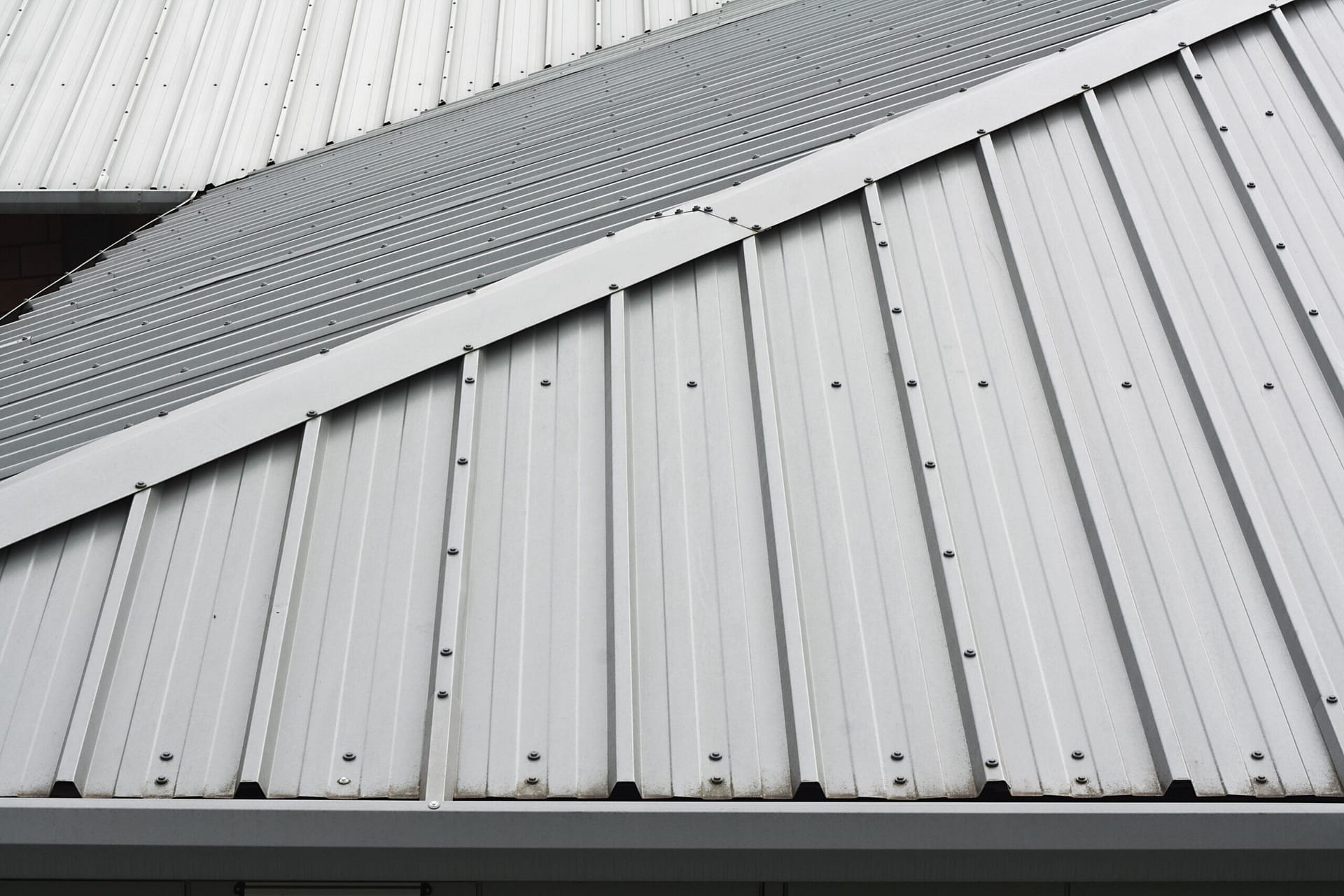
Modern materials such as metal roofing and synthetic tiles have also gained traction in the commercial sector. Metal roofs are prized for their strength, lightweight properties, and low maintenance requirements. They come in a variety of finishes and can be designed to mimic traditional materials like tiles or wood shakes. Synthetic tiles, made from rubber or plastic, provide a cost-effective and environmentally friendly alternative, with many products made from recycled materials and being fully recyclable at the end of their lifespan.
Each material brings its own set of features and benefits, catering to different budgetary and aesthetic preferences. It’s crucial for property owners to consider factors such as longevity, insulation properties, environmental impact, and compliance with local building standards when selecting roofing materials. Professional roofing contractors in Scarborough can offer valuable advice, tailored to the specific needs of each commercial project.
Benefits of Sustainable Roofing Options
Scarborough’s commercial sector is increasingly embracing sustainable roofing solutions, driven by environmental concerns and long-term economic benefits. Green roofs, for example, are becoming popular for their ability to reduce heat loss, manage stormwater, and improve air quality. These living roofs support local biodiversity and can significantly enhance a building’s insulation, leading to lower heating and cooling costs. Additionally, they offer an aesthetically pleasing element that can increase the appeal and value of a property.
Solar roofing is another sustainable option gaining momentum. By integrating photovoltaic panels into the roofing material, businesses can generate their own electricity, reducing energy costs and contributing to a lower carbon footprint. The initial investment is offset by long-term savings and potential government incentives. Solar roofs also typically have a longer lifespan than traditional roofing materials, making them an economically attractive option for forward-thinking businesses.
Moreover, the use of recycled materials in roofing systems is on the rise. Products such as recycled metal, plastic, and rubber tiles offer a reduced environmental impact without compromising on quality or durability. These materials often require less energy to produce and can be recycled again at the end of their life, promoting a circular economy. Scarborough’s roofing contractors are well-versed in these sustainable options, providing expert guidance to businesses looking to make eco-friendly choices.
Assessing Cost-Effective Roofing Solutions
When considering roofing options, Scarborough’s businesses must balance quality with cost-effectiveness. One approach is the selection of materials that offer a good balance between upfront costs and long-term savings. For instance, asphalt shingles are relatively inexpensive and easy to install, making them a popular choice for budget-conscious projects. While not as durable as some other options, they can still provide adequate protection and aesthetic appeal for many commercial buildings.
Another strategy is to invest in preventative maintenance and regular inspections. This proactive approach can extend the lifespan of a roof and prevent costly repairs or replacements. Many local roofing contractors offer maintenance services that help identify and address potential issues before they escalate, thereby reducing overall expenses. Regular cleaning, for example, can prevent the build-up of debris that can lead to water damage and other structural issues.
Lastly, it’s important to consider the total life-cycle cost of the roofing system. Some materials, although more expensive initially, may offer greater durability and energy efficiency, leading to lower utility bills and maintenance costs over time. Metal roofing and high-quality synthetic products often fall into this category. Consulting with experienced roofing professionals can provide insights into which materials are most cost-effective for specific types of commercial buildings in Scarborough.
Navigating Local Roofing Regulations
The roofing industry in Scarborough is governed by strict regulations that ensure safety, durability, and environmental protection. Understanding these local codes is crucial for any commercial roofing project. Regulations may dictate everything from the materials used to the methods of installation, depending on the location and type of building. For example, buildings in historic areas may be required to maintain traditional aesthetics, influencing the choice of roofing materials.
It is advisable for property owners to work with reputable contractors who are familiar with Scarborough’s building codes and planning requirements. These professionals can navigate the permit process and ensure that all aspects of the roofing project comply with local standards. This not only avoids legal complications but also ensures that the roofing work is safe and durable.
Environmental regulations also play an important role, especially in coastal areas where protection of the natural landscape is a priority. Certain materials or techniques may be preferred or mandated to minimize environmental impact. Scarborough roofing contractors can offer guidance on the most environmentally friendly practices and materials, ensuring compliance and contributing to a more sustainable construction approach.
Innovative Trends in Commercial Roofing
The commercial roofing industry in Scarborough is embracing innovation to meet the demands of modern businesses and environmental standards. One of the significant trends is the integration of technology, such as automated monitoring systems that track the health of a roof and alert owners to potential issues. These systems can significantly reduce maintenance costs and extend the roof’s lifespan by ensuring that problems are addressed swiftly.
Another innovative trend is the use of modular roofing systems. These systems are pre-fabricated offsite and then quickly assembled on location, reducing installation time and disruption to the business. Modular roofs are designed to be lightweight and are often used in situations where traditional roofing installation would be impractical or too costly.
There is also a growing interest in adaptive roofing solutions that can change properties in response to environmental conditions. For example, roofs that increase their reflectivity in response to intense sunlight to reduce cooling costs, or materials that enhance their insulation properties when temperatures drop. Such smart roofing solutions are still at the developmental stage but represent a promising direction for energy efficiency and climate adaptability in commercial roofing.
Future Outlook for Roofing Industry in Scarborough
The future of Scarborough’s roofing industry looks promising, with a continued focus on sustainability and technological integration. As the demand for eco-friendly buildings increases, the roofing sector is likely to see further growth in green solutions like solar panels and green roofs. These technologies not only help businesses save on energy costs but also align with global efforts to combat climate change.
Moreover, the industry is expected to benefit from advances in material science, including the development of more durable and energy-efficient roofing materials. Innovations such as cool roofing materials that reflect more sunlight and heat away from buildings could become standard practice, particularly in commercial applications where energy management is crucial.
Government policies and building regulations will continue to influence the roofing industry in Scarborough. Stricter standards for energy efficiency and environmental impact are likely to drive innovation and change in roofing practices and materials. Forward-thinking roofing contractors who can adapt to these changes and offer advanced, compliant solutions will thrive. For property owners and developers, staying informed about these trends and regulations will be key to making smart, sustainable roofing choices.